|
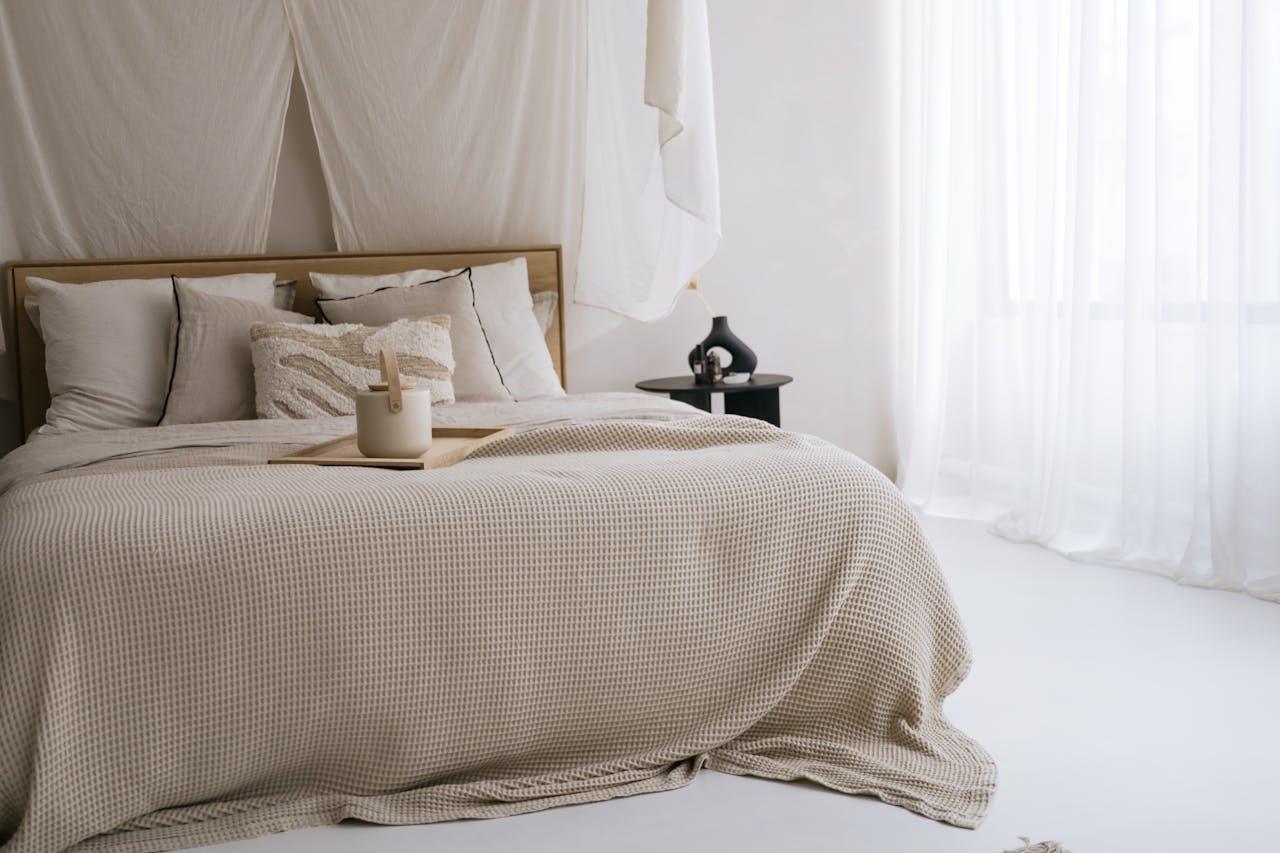
A home can be beautifully furnished and still feel restless. Often, the difference lies in the details: the way fabrics soften hard lines, how natural materials affect the atmosphere, or how a functional object becomes part of the interior rather than something that needs to be hidden. Thoughtful home accessories do more than fill empty space. They help shape how a room feels and how easily you unwind at the end of the day. This is especially visible in the bedroom. It is one of the most personal rooms in a home, yet it is often designed mainly around practical furniture. A bed, wardrobes and lighting may cover the essentials, but they do not automatically create serenity. Layered textiles and softly draped elements can change the character of the space without requiring a complete redesign. When function becomes part of the interiorSome of the most successful interior products solve a practical problem while contributing to the visual language of a room. A mosquito net is a good example. Its primary purpose is protection, but its shape, fabric and movement can also soften a bedroom and create a sense of enclosure. Instead of treating protection from insects as purely technical, design can make it part of the atmosphere. Material choice plays an important role here. Natural cotton has a soft appearance and an airy quality that works particularly well in calm interiors. Fine woven polyester offers different advantages: it is lightweight, strong and shape-retaining. The best choice therefore depends not only on appearance, but also on where and how the product will be used. Construction matters too. Round designs can create a flowing silhouette from a single suspension point, while rectangular models introduce more structure and can frame a bed almost architecturally. In rooms with sloped ceilings or unusual dimensions, flexible suspension points help preserve that visual balance. Craftsmanship adds characterInteriors become more interesting when the objects inside them carry traces of how they were made. Small-scale production allows attention to remain on finishing, proportions and material handling. That is one reason handcrafted products can feel distinctive even when their design is restrained. This philosophy is central to Nusarah products, which combine practical use with refined materials, small-batch production and responsible craftsmanship. Many mosquito nets are handmade in the brand’s own atelier in Bali by skilled makers involved in sewing, cutting and quality control. Design and production remain closely connected, helping each piece retain an individual character. The wider collection follows the same approach. Textiles, hammocks and decorative accessories are intended to sit naturally beside the mosquito nets, creating a consistent visual language rather than a collection of unrelated objects. A calmer home starts with deliberate choicesCreating a restful interior rarely depends on one dramatic purchase. It is usually the accumulation of smaller decisions. A limited material palette, softer textures and objects with a clear purpose can make a room feel considered without making it feel staged. Useful principles include:
These choices are especially effective when a product performs more than one role. A canopy-like mosquito net can provide insect protection while making a bed feel more sheltered. A hammock can introduce a place for rest while adding texture to an outdoor setting. Responsible materials belong in luxury designLuxury and responsibility can reinforce each other. Quality materials, careful construction and smaller production runs can support longevity, reducing the pressure to replace products quickly. Responsible choices are also visible in details that are easy to overlook. Plastic-free packaging is one example. Reusable cotton storage bags offer a practical way to protect textiles between seasons while avoiding disposable presentation materials. Recycled paper labels, reused offcuts and thoughtful material selection may seem small individually, yet together they reveal how a brand approaches the lifecycle of a product. The same principle applies to sourcing. Working with Fair Trade workshops can connect product design with safer working conditions and fairer compensation. Using recycled fibres for blankets or cushions gives existing materials another function rather than treating them as waste. Bringing the same sense of calm outdoorsOutdoor spaces increasingly function as extensions of the home. A terrace or balcony may be used for dining, reading or long summer evenings, so comfort and atmosphere matter there too. Textiles can make these areas feel less exposed, while a well-designed outdoor mosquito net can provide a more sheltered setting without closing the space completely. For outdoor use, durability becomes essential. Reinforced polyester and sturdy canvas edging can help a mosquito net cope with seasonal use while maintaining a refined appearance. A hammock, textured cushion or lightweight throw can then add another layer of comfort. Repeating materials or neutral tones used indoors creates continuity between the house and garden. Care helps well-made pieces stay beautifulLong-lasting design also depends on maintenance. Textiles benefit from regular airing, careful storage and cleaning that respects the material. Cotton mosquito nets generally need gentler treatment than synthetic versions, while proper storage helps prevent dust and unnecessary wear between seasons. Choosing the correct dimensions from the start also supports durability and comfort. A mosquito net should leave sufficient space around the mattress, provide an easy entrance and hang at a height that allows the fabric to fall naturally. When proportion, material and placement work together, a functional object can become one of the elements that quietly defines the room. |